
Design ideas from the winners of the Society of Garden + Landscape Designers (SGLD) Awards …. for every size of garden
Garden by Adolfo Harrison MSGLD. Photo: Mischa Haller
Spanning intimate urban gardens and ambitious public spaces, the 2026 SGLD Award winners offer a snapshot of how garden design is evolving. The award-winning projects highlight the new thinking shaping outdoor spaces today — and provide clear inspiration for homeowners looking to create gardens that are stylish, practical and ready for the challenges ahead.
1. Thermal Design: Gardens That Feels Fresh Even in Heat
Garden by Adolfo Harrison MSGLD. Photo: Mischa Haller
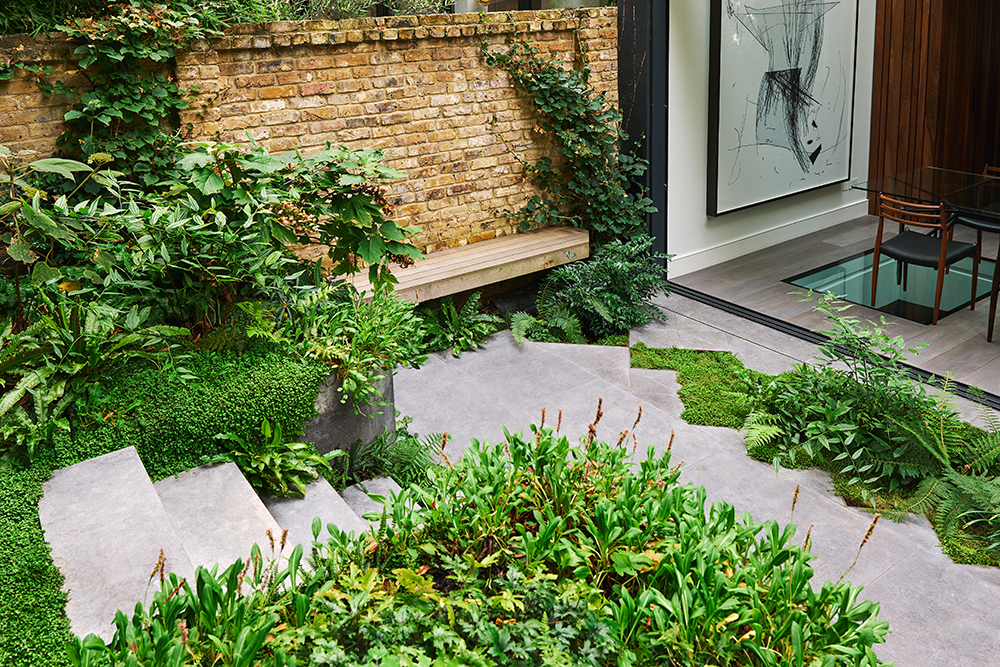
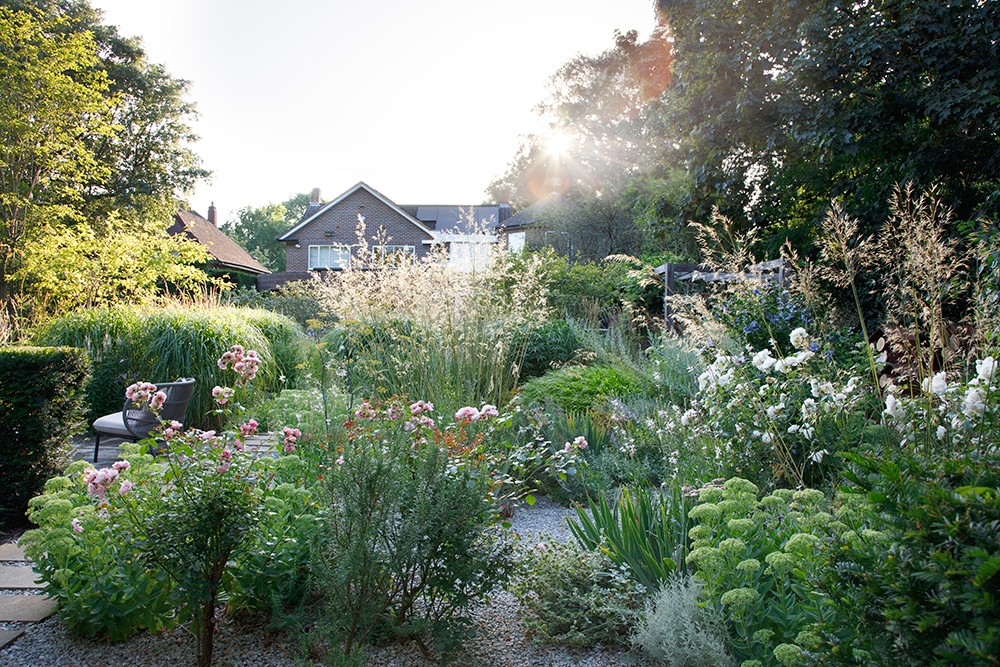
Why it’s new: Designers are moving beyond bold, showy colours and using restrained greens, soft neutrals, and natural materials to make gardens feel visually and physically cooler—an aesthetic response to hotter summers and climate change. Many winning gardens played with temperature perception — cool stone, warm timber, calming green planting combinations or silvery foliage—to create spaces that feel refreshing and calm.
Designer tip: Dial back strong colours and focus on foliage, texture, and pale materials. Pair light-coloured stone or paving with soft, silvery plants to make small patios and terraces feel cooler and more inviting
2. Immersive Thresholds
Garden by Barbara Samitier MSGLD of Moss Studio. Photo: Annaick Guitteny
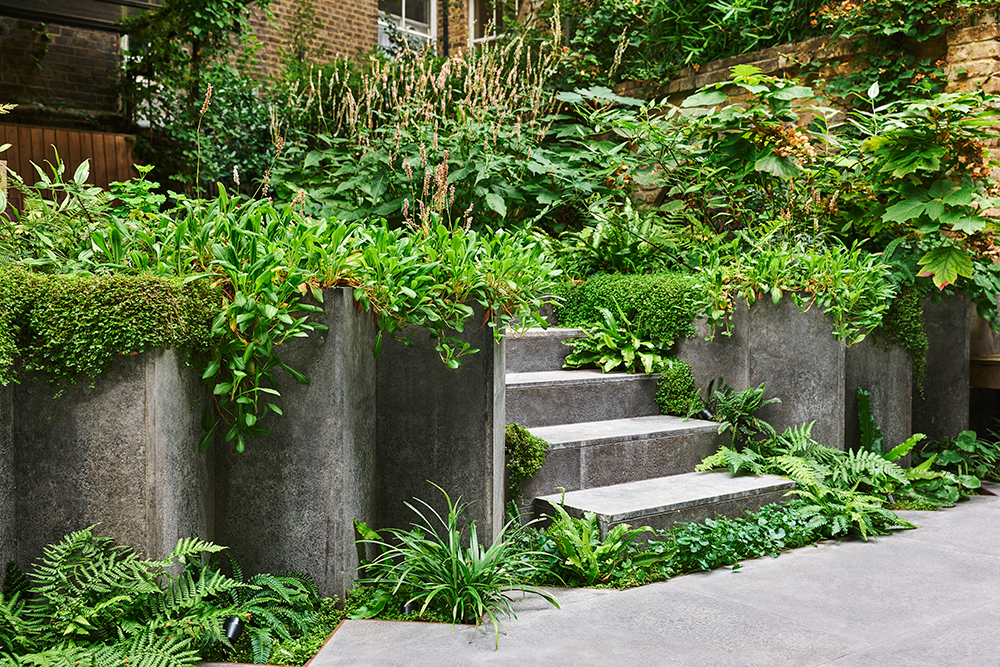
Why it’s new: The boundary between patio and garden is disappearing. Designers are letting plants spill across steps, terraces, and walls so that entering the garden feels like stepping into greenery rather than onto hard paving. Draping climbers, grasses, and shrubs over edges softens hardscape and visually enlarges the space.
Designer tip: Plant right up to paths, doors, and steps—just a narrow strip of greenery or overhanging plants can transform how your garden feels from inside the house.
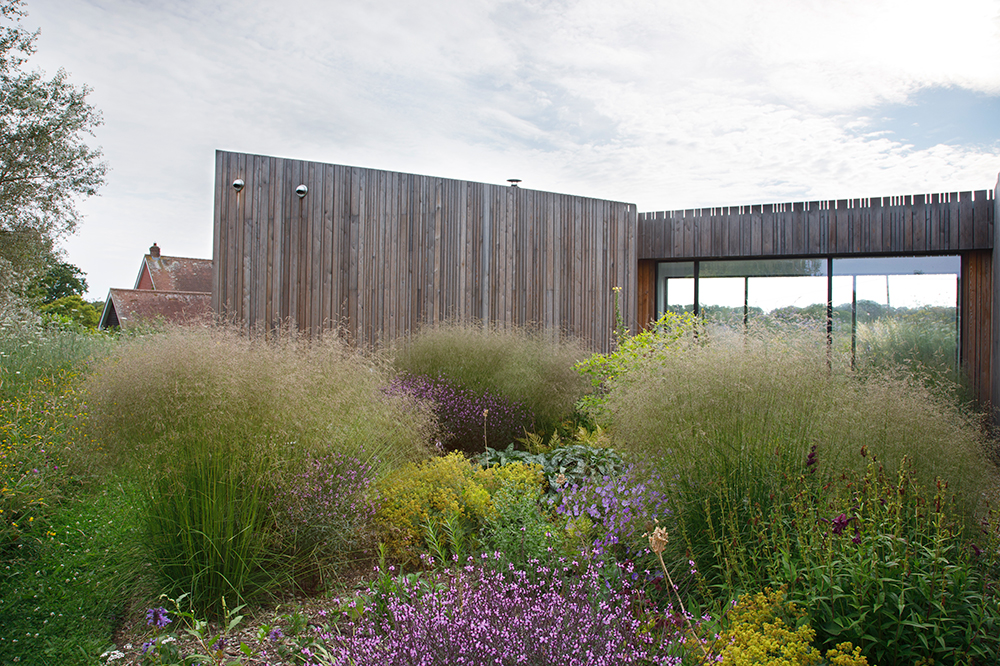
Garden by Kristina Clode MSGLD. Photo Annaick Guitteny
3. Beyond Paving: Hardscapes that Beautify and Protect
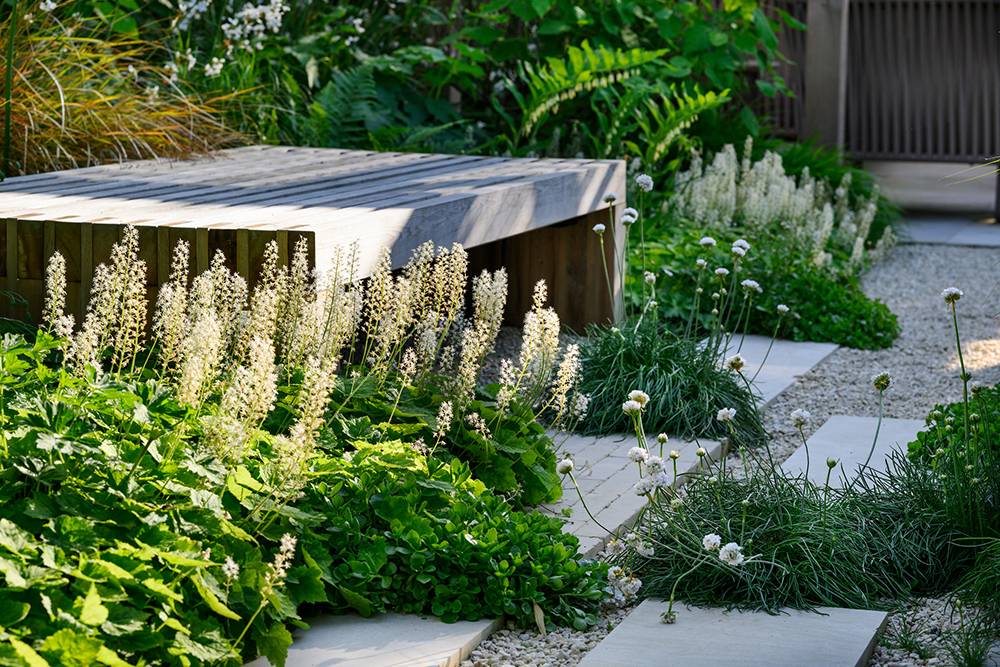 Garden by Tomoko Kawauchi MSGLD at Charlotte Rowe Garden Design. Photo:Jason Ingram.
Why it’s new: Hard landscaping is no longer just a backdrop. Designers are combining aesthetics with climate-smart functionality, using permeable paving, floating terraces, sand-swept joints, and engineered sub-bases to reduce flooding, protect roots, and enhance resilience. These gardens show that carefully detailed hardscape can blend seamlessly with planting, creating spaces that are both visually stunning and environmentally responsible.
Designer tips:
Let water drain naturally: Opt for permeable paving, gravel paths, or sand-swept joints to reduce puddles and protect plant roots.
Mix materials for impact: Combine stone, timber, or gravel with lush planting to create texture, depth, and a garden that’s visually interesting year-round.
Think long-term: Choose durable, low-maintenance materials that complement greenery while standing up to weather and wear.
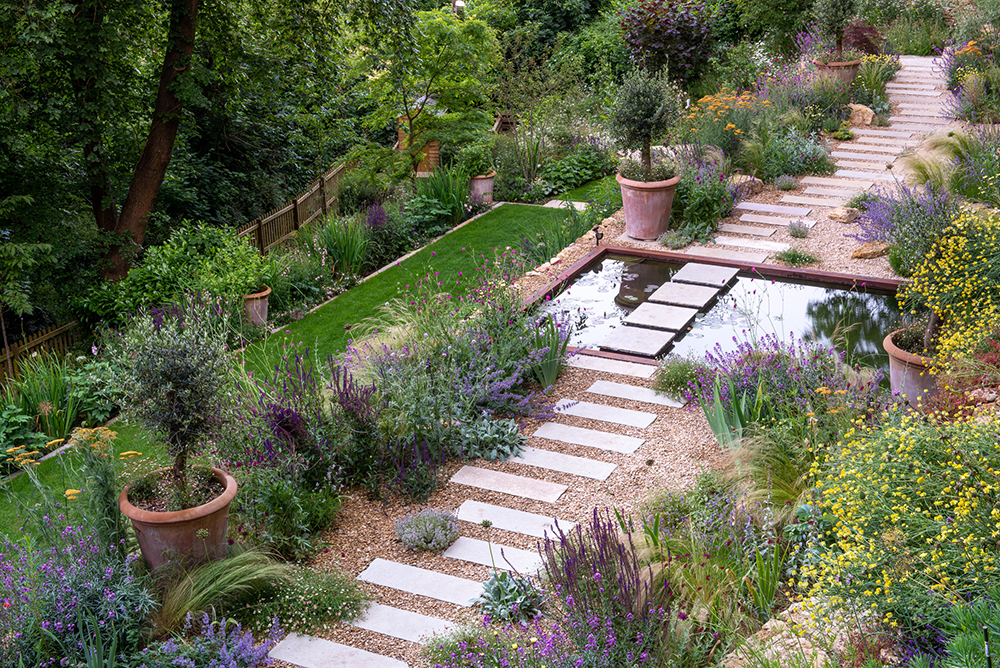
Garden by Fi Boyle MSGLD. Photo: Heather Edwards
4. Sustainability Without Sacrificing Style
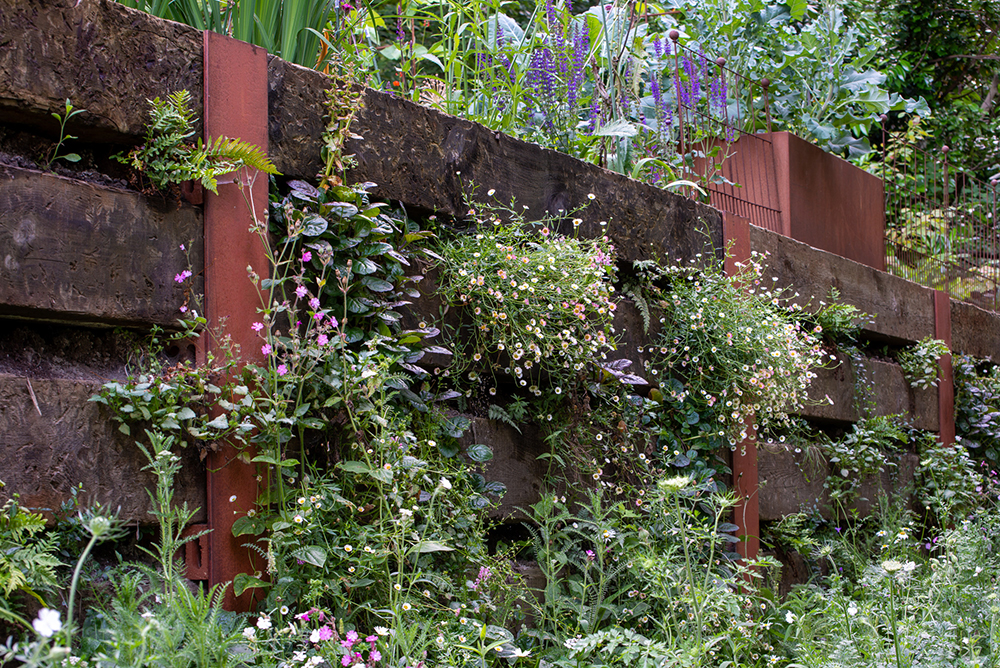
Garden by Fi Boyle MSGLD. Photo: Heather Edwards
Why it’s new: Designers are taking sustainability beyond planting choices, embracing a retain-recycle-reuse approach. Neglected structures, old pavers, and on-site stone are repurposed into features that tell a story, add character, and create visually compelling spaces. These gardens show that eco-friendly design can be both responsible and highly stylish, transforming challenging sites into layered, authentic landscapes.
Reader tips:
Repurpose materials from your own garden—old bricks, stones, or timber can become paths, terraces, or seating.
Combine reclaimed elements with new planting to add texture, history, and visual interest.
Use material variety to define different zones and create a sense of narrative in the garden.
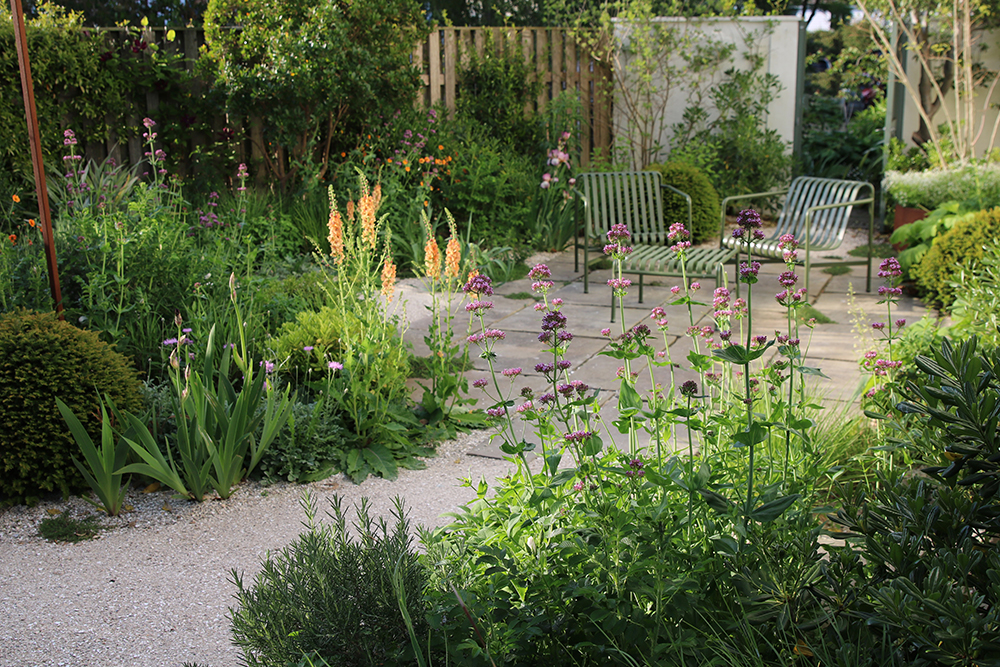
Garden by Nicholas Morton.
5. Small in Scale, Rich in Detail: Where Craftsmanship Defines Luxury
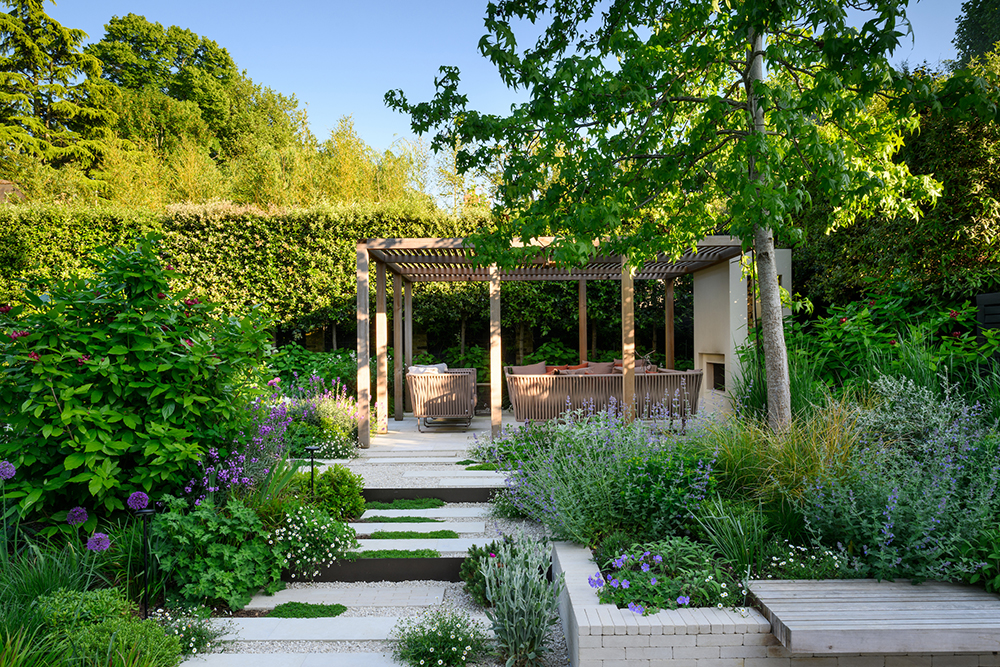
Garden by Tomoko Kawauchi MSGLD at Charlotte Rowe Garden Design. Photo:Jason Ingram.
Why it’s new: Luxury is no longer about large lawns or grand features. Judges consistently praised craftsmanship, material junctions and thoughtful detailing — proving refinement now matters more than scale.
Designer tip: Adopt the ‘less is more’ approach. Invest in fewer, better materials and well-finished details to elevate even the smallest garden.
6. Spacial Zoning and Layered Privacy
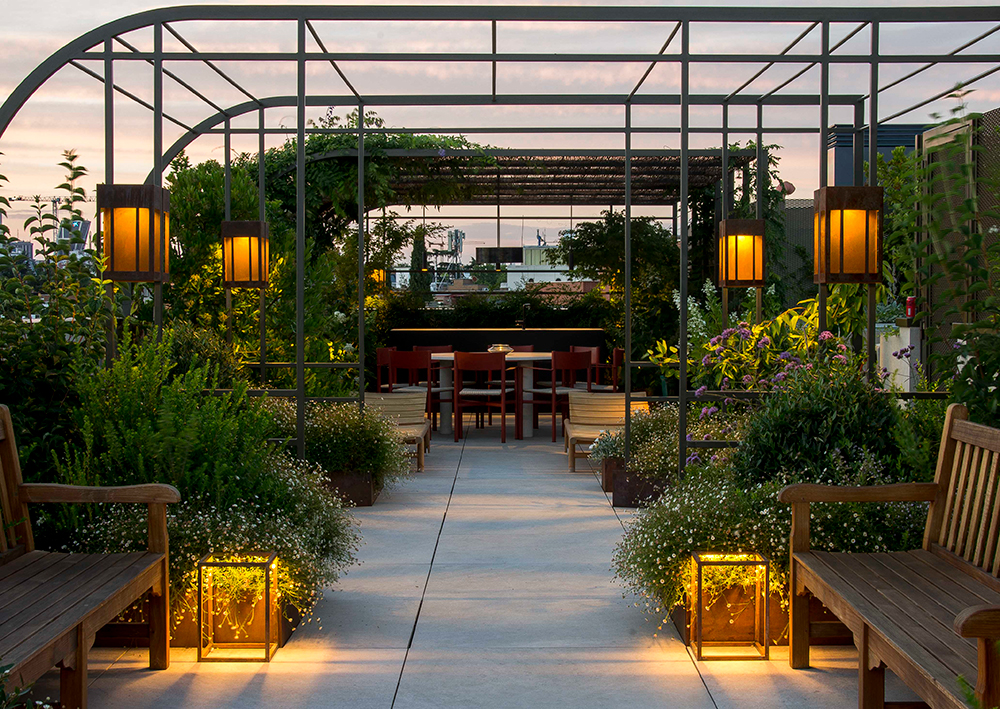
Garden by Gonzalo Morillo MSGLD. Photo Silvia Cerrada.
Why it’s new:
Designers are redefining garden division, moving away from fences and screens. Instead, they use planting density, level changes, material shifts, and subtle structures to guide movement, mask sight lines, and create layered “rooms” that unfold as you walk, without sacrificing openness or light. This approach gives each area—dining, relaxing, play, or entertaining—its own sense of purpose and privacy while keeping the space fluid and inviting, ideal for small or challenging urban sites.
Designer tips:
Use changes in paving, decking, or gravel to signal different zones.
Plant in dense groups or draping arrangements to mask sight lines and guide movement.
Introduce subtle level changes—steps, terraces, or raised beds—to create separate areas without closing the garden off.
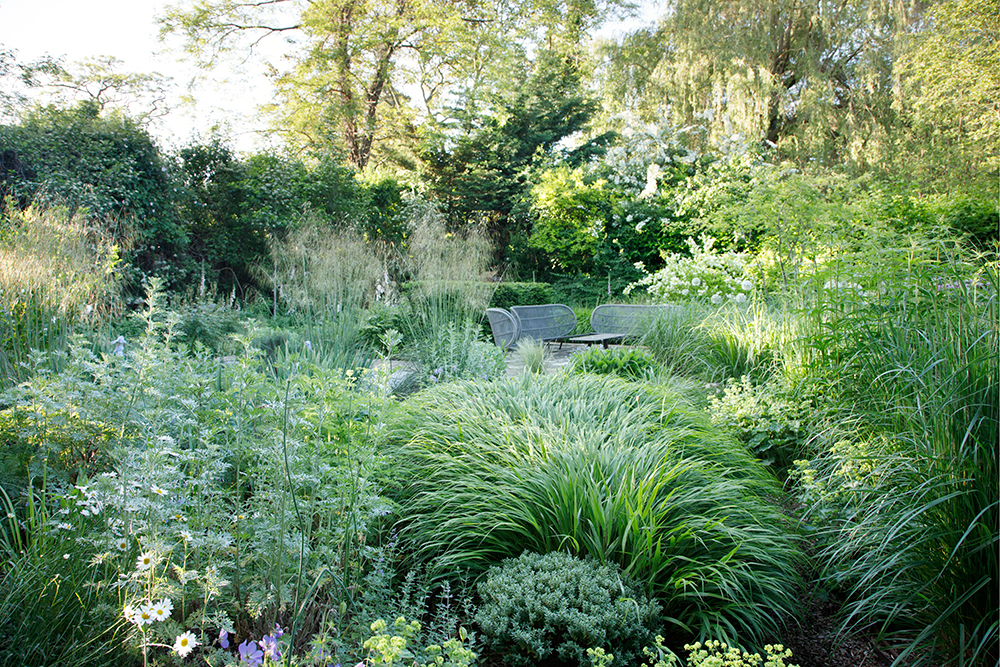 Garden by Barbara Samitier MSGLD of Moss Studio. Photo: Annaick Guitteny
7. Biophilic Gardens: Nature That Nurtures Wellbeing
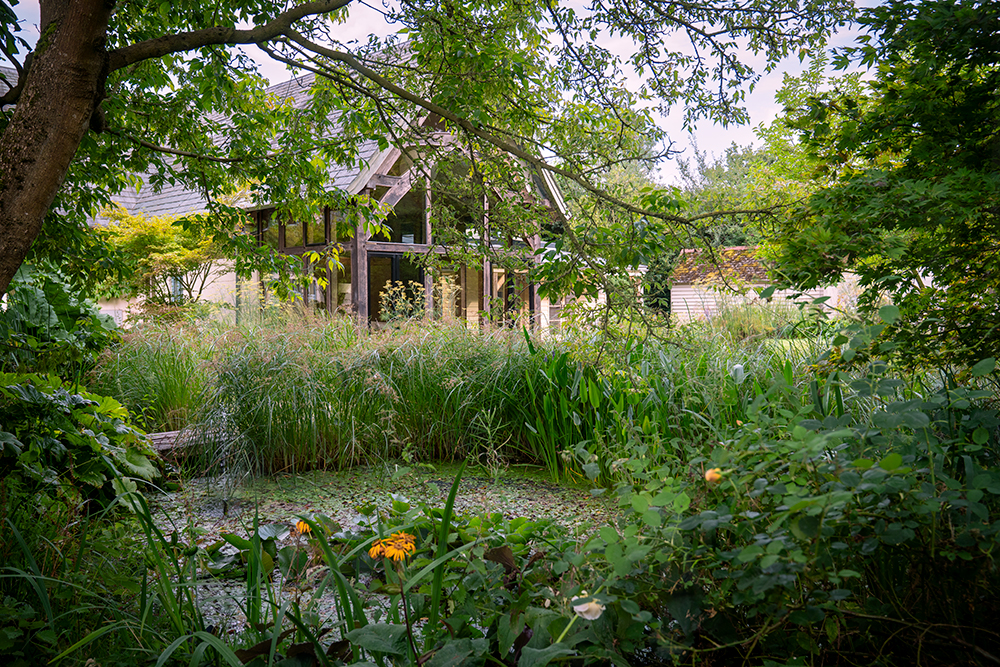
Garden by Miria Harris MSGLD. Photo Rachel Warne.
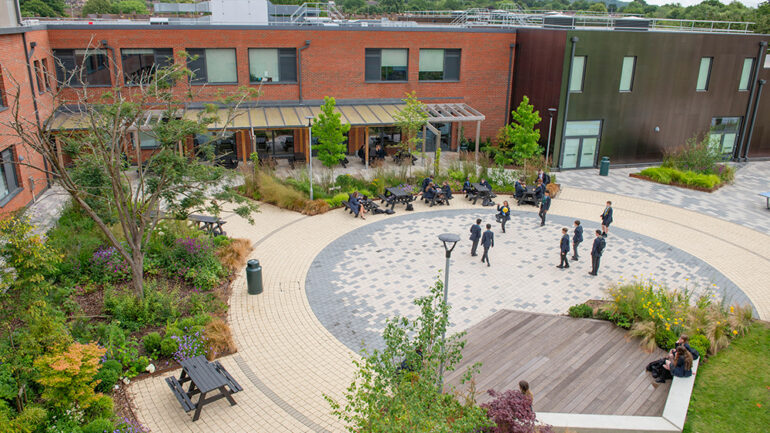
Why it’s new: Biophilic design is moving beyond interiors into gardens, schools and corporate campuses. Designers are integrating nature-inspired patterns, biodiversity, and lush greenery near buildings to boost mental health, encourage outdoor engagement, and create restorative spaces. These award-winning gardens show that thoughtful planting can soften urban plots while fostering curiosity, wellbeing, and lasting connections with nature.
Designer tips:
Bring greenery close to buildings: Place plants near entrances, windows, or seating areas to encourage outdoor interaction.
Mix textures and layers: Combine trees, shrubs, and flowering plants to create visually rich, calming spaces.
Think beyond aesthetics: Include pollinator-friendly plants and seasonal variation to enhance biodiversity and wellbeing.
Create inviting spots: Add benches, stepping stones, or quiet nooks to encourage lingering and connection with nature
 Garden by Nicholas Atherton MSGLD. Photo: Marianne Majerus.

